Disney OpenAI deal brings Sora video tools to Disney characters, opening new creative options for fans and potential theme park tech innovations.
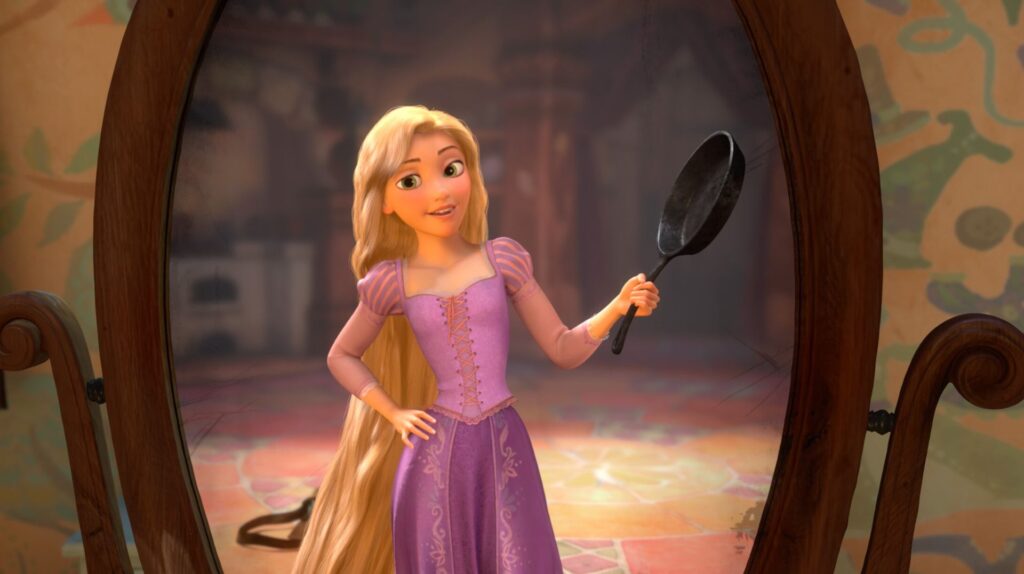
Walt Disney Company has struck a landmark deal with OpenAI, a multi-year licensing partnership and a reported $1 billion equity investment. This deal will allow OpenAI’s Sora short-form video tool (and other OpenAI products) to use hundreds of Disney characters from across Disney, Marvel, Pixar and Star Wars. The agreement also gives Disney access to OpenAI’s APIs and enterprise tools, while Disney will adopt ChatGPT capabilities internally.
Disney OpenAI Deal: What Actually Changes for Theme-Park Fans
- User-generated character clips: Sora users will be able to generate short social-style videos featuring familiar Disney characters — a creative playground for fans who want to make shareable clips starring their favorites. Some of those user-created videos may even be showcased on Disney+.
- In-park integrations and marketing: Expect Disney’s marketing and parks teams to experiment quickly. Imagine ride-themed Sora clips promoted in queues, character meet-and-greet photo overlays powered by AI, or short animated vignettes tied to limited-time events and celebrations. Those uses would let Disney amplify park moments across social channels without having to produce every piece of short content in-house. (This follows the company’s stated aim to “unlock new possibilities in imaginative storytelling.”)
Why Disney Did This
Disney sits on one of the richest libraries of characters and visual IP in the world. Generative video is a fast way to expand reach, engagement, and monetizable creative formats. By licensing character assets to OpenAI rather than fighting AI creatives outright, Disney gains control and a share of the new ecosystem while keeping limits on how the IP is used. The company also won’t permit OpenAI to use Disney content to train its models, which was emphasized in reporting on the deal.
Bob Iger Speaks on Disney OpenAI deal
In the interview with CNBC, Iger was asked what led Disney to make this deal with OpenAI:
“This is a great opportunity for the company to enable consumers to engage with our characters on what is probably the most modern of technology and media platforms today. It not only gives consumers and users an opportunity to do so, but it also is significant because in this deal, OpenAI is both respecting and valuing our creativity, both of our characters, but also those that have created those characters.”
He also said, “Well, first of all what we are doing here is licensing about 200 characters for users of Sora to create their own, basically, videos using Sora and those characters. We are not including name and likeness, nor are we including voices. So, in reality, this does not in any way represent a threat to the creators at all. In fact, the opposite, I think it honors them and respects them in part because there’s a license fee associated with it.
The other thing it does is it enables us to be comfortable that OpenAI is putting guardrails essentially around how these are used, so that really there’s nothing for us to be concerned about from a consumer perspective, meaning this will be a safe environment and a safe way for consumers to engage with our characters in a new way.“
Short Videos
“And also, let’s be mindful of the fact that these are 30 second videos. We’re not talking about creating shorts or movies, for that matter. And we know because we’ve seen a significant amount of growth in consumption of short form video. We also think this is an era where almost everybody can be a creator of sorts, and we’ve seen that in breathtaking fashion on other platforms, and this is a way for us as a company, really, to provide experiences to particularly younger audiences, engaging with our characters in new ways.”
Disney OpenAI Deal: Limits and Guardrails You Should Know
- Talent protections: The deal reportedly excludes the use of talent’s voice and likeness. This has been a key caveat after months of industry pushback about AI recreating real actors or performers. That means Sora-generated character clips won’t be permitted to impersonate specific actors’ voices or real-world likenesses.
- Three-year term and controlled scope: Reporting indicates this is a multi-year licensing agreement (three years in early reports) with specific limits on which assets and how they’re used — giving Disney room to iterate and test before expanding access.
The Wider Context: Hollywood’s AI Tug-of-War
This deal also arrives after months of tension between studios, unions, and AI platforms over rights, compensation, and creative control. OpenAI’s Sora tools have been controversial in Hollywood, prompting calls for more granular controls and licensing rather than free use of copyrighted characters and performances. That backdrop helps explain why Disney chose a negotiated licensing approach instead of an adversarial one.
What Disney Theme Parks Might Create
- Social content kiosks: Disney could place Sora-powered booths or mobile prompts in parks that let guests generate a short clip with park-approved character visuals (with explicit rights and guardrails).
- Event tie-ins: Seasonal offerings (Halloween, holiday parades, movie releases) could include “create your own scene” activations that feed both guest social posts and official Disney+ playlists of fan creations.
- Merchandise and loyalty: Personalized content could be paired with photo products, AR overlays, or loyalty rewards for sharing, driving deeper engagement and potential incremental revenue.
Concerns and Open Questions About Disney OpenAI Deal
- Quality & brand safety: Disney will need tight moderation to ensure fan creations don’t harm brand integrity or produce inappropriate content.
- Creative jobs & unions: Even with voice and likeness excluded, the shift toward AI-assisted short content raises questions about the future of certain creative roles and performers who rely on short-form licensing.
- Legal/competitive ripple effects: Other studios and rights holders may now accelerate their own licensing talks with AI firms, or push for different contractual protections.
Bottom Line for Theme-Park Fans
For guests and superfans, this deal could mean more playful, shareable ways to feature Disney characters in personal content, and more official channels to highlight those creations. For Disney Parks, the Disney OpenAI deal opens up novel promotional tools and in-park activations built on AI-driven short video, but it also creates a new responsibility to police brand uses and protect performers. Expect pilot programs and careful rollouts before anything becomes a permanent part of the parks experience.
For more theme park-related news and information, visit MSM News.

Expertise. Ease. Value.
Ready for your bucket list trip? Our trusted partner, MEI-Travel, will handle the planning so you can focus on the memories. They offer free vacation planning services and have nearly 20 years of experience creating memorable vacations.
Contact for a fee-free, no-obligation quote today.